


Cold plunging has exploded in popularity, and for good reason. It helps with recovery, boosts mood, and builds mental resilience. If you’re working cold plunging into your training routine, you’ve probably wondered: Should you cold plunge before or after a workout?
The answer isn’t one-size-fits-all—it depends on what you want to get out of your plunge. Let’s break it down so you can make the most of it.
What Happens When You Cold Plunge?
Before diving into timing, it helps to understand what cold plunging does to your body.
When you immerse yourself in cold water (usually around 50°F or lower), your body reacts quickly:
- Blood vessels constrict, which reduces inflammation and swelling
- Heart rate slows, shifting your nervous system into a calm, regulated state
- Endorphins and norepinephrine are released, boosting mood and alertness
That’s why so many people turn to cold therapy not just for athletic recovery but for overall wellness. In one of our blog posts we explain these benefits in detail—from mental clarity to immune support.
These effects are why cold plunging is essential for serious athletes and everyday wellness seekers alike.
Cold Plunging Before a Workout

Pros:
- Mental priming. The cold shock gives you a hit of alertness and energy, which can be great before training
- Reduced soreness from prior workouts. If you’re still stiff or inflamed from yesterday’s session, a quick plunge can help
- Improved mood and focus. Many people feel mentally dialed in after a plunge
Cons:
- Stiffness in ligaments and tendons. Cold exposure can temporarily reduce elasticity, making joints feel tight and less mobile
- Blunted warm-up. It lowers your core temperature, so you’ll need to warm up again before exercising
Best for: A short plunge (30–60 seconds) to shock the system 30 minutes to an hour before light movement, cardio, or mobility work—not for heavy lifting or high-output sessions
Cold Plunging After a Workout

This is the most common—and most studied—time to cold plunge.
Pros:
- Reduces inflammation and soreness. Cold plunging helps decrease muscle soreness and speeds recovery
- Regulates the nervous system. After a tough session, cold water helps reset your nervous system
- Fits naturally into your routine. Post-workout plunges are easy to make habitual
Cons:
- May blunt muscle growth. If you’re training for strength or hypertrophy, cold plunging immediately after lifting can reduce muscle adaptation
Best for: High-intensity cardio, endurance training, or when recovery is your priority
So… When Should You Cold Plunge?
Here’s a simple way to decide:
- Training for strength or muscle gain? Wait 4–6 hours after lifting or use cold plunging on rest days
- Focusing on recovery and performance? A post-workout plunge can speed healing and reduce fatigue
- Need a mental boost or wake-up? Try plunging before your workout
Remember, there’s no wrong time—just what fits your goals best.
How Often Should You Plunge?
Research (including the Soeberg Principle) suggests around 11 minutes of cold exposure per week is enough for benefits, ideally spread over 2–4 sessions.
Consistency is key. Whether you’re after recovery, mental clarity, or better sleep, regular plunging builds lasting results.
If you want guidance on timing, our post has beginner-friendly advice on safe durations.
The Bottom Line
- Cold plunge before workouts to boost alertness or for light recovery
- Cold plunge after workouts to reduce inflammation and recover faster—just be mindful if muscle growth is your focus
Whichever approach you take, cold exposure offers powerful benefits when you make it part of your routine.
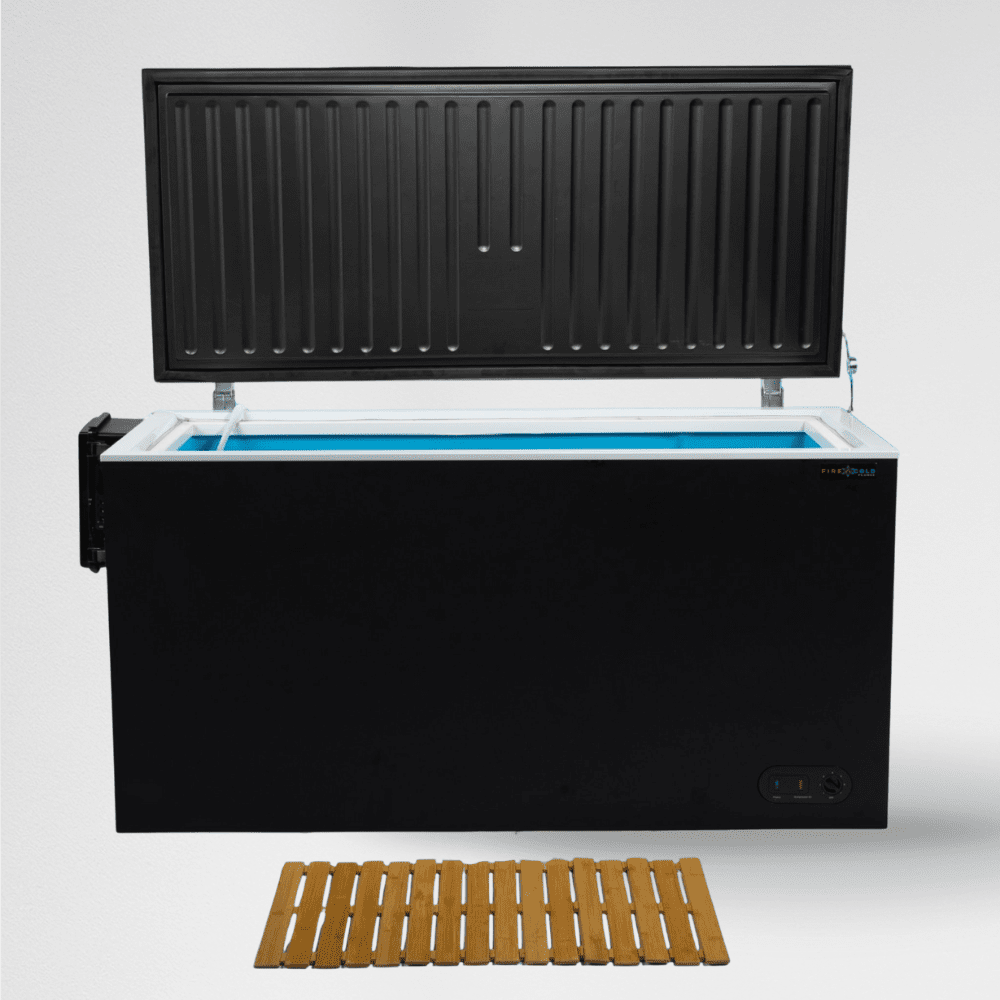
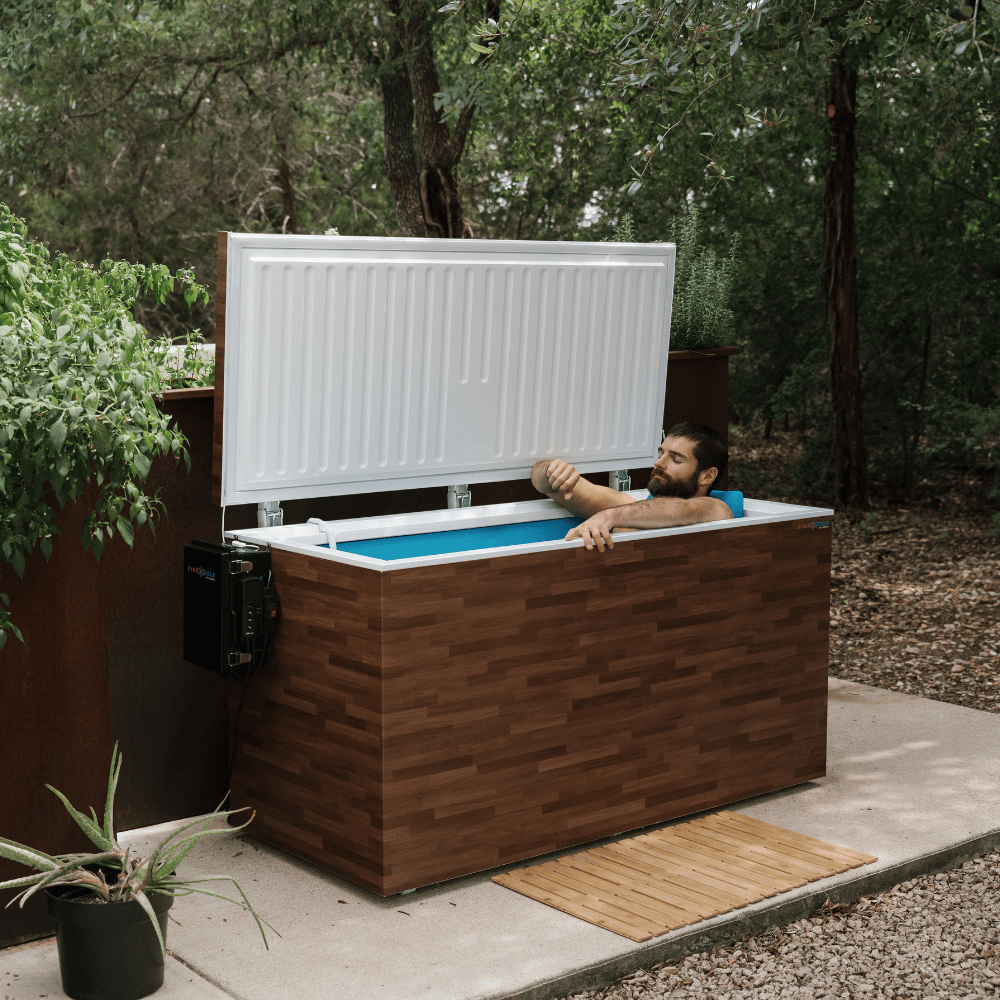
We designed Fire Cold Plunge so you have cold therapy ready whenever your body and mind need it most.
Want a cold plunge that’s always ready when you are? Check out Fire Cold Plunge here.
The information in this article is for general informational purposes only and is not medical advice. Cold exposure affects everyone differently. Please consult a healthcare provider before beginning any new recovery or wellness routine—especially if you have underlying health conditions.

Share:
How Long Does Joe Rogan Stay In The Cold Plunge?
The Connection Between Cold Exposure and Mental Clarity